
12 books like 1984
Orwell's power comes from three things at once: a boot on the neck, a lie in the archive, and one ordinary person noticing. These are novels that do at least one of those as well as he did, from the Russian book that inspired him to quieter, stranger heirs.
Updated September 2026
We earn a commission if you buy through these links.
One regimented city, total surveillance, one citizen who starts to doubt
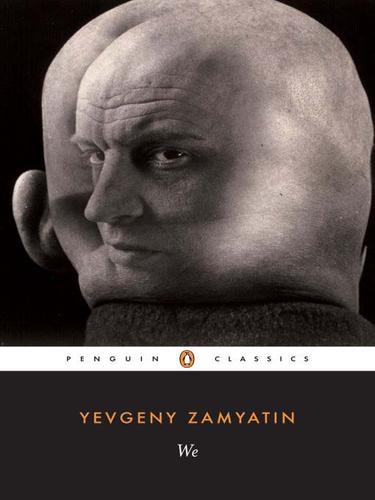
We by Yevgeny Zamyatin 1924
The glass-walled state, the numbered citizens and the diary kept by a man losing his faith in it all — this is the book Orwell reviewed and learned from; the tone is far more feverish and futurist, closer to poetry than to Winston's grey realism.
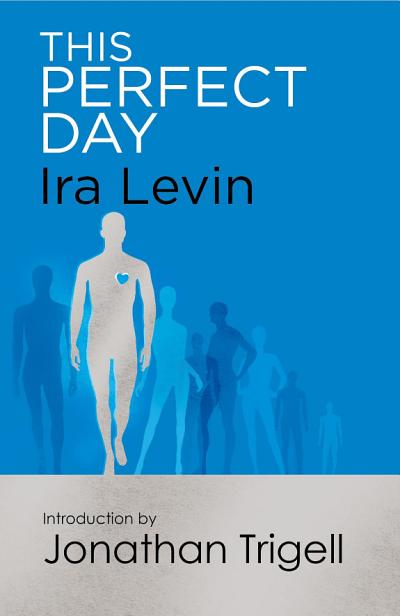
This Perfect Day by Ira Levin 1970
A benign-sounding computer runs every life down to the monthly injection, and one man's resistance grows from small physical discomforts, much as Winston's does; Levin writes it as a thriller, with pace and plot twists Orwell never bothered with.
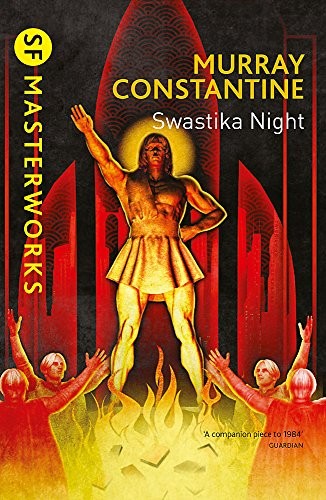
Swastika Night by Katharine Burdekin 1937
Written before the war and set seven centuries into a victorious Reich, it turns on a forbidden book that proves the official history is a fabrication — the difference is that its central crime is what the regime has done to women, and it has been largely forgotten while 1984 was not.
Interrogation, confession, and a mind taken apart from the inside

Darkness at Noon by Arthur Koestler 1940
An old revolutionary in a cell, arguing himself towards confession — the direct ancestor of Winston's sessions with O'Brien; Koestler stays almost entirely in the prison and the argument, with no world outside to escape to.
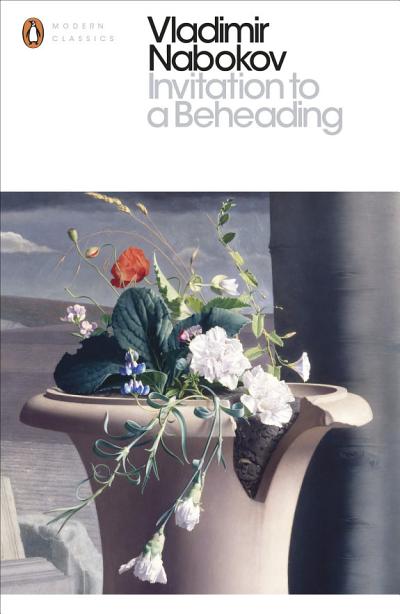
Invitation to a Beheading by Vladimir Nabokov 1935
A man is condemned for an inner difference he cannot conceal, and the state's cruelty is bureaucratic and absurd; where Orwell is solid and physical, Nabokov makes the prison itself feel like painted scenery about to fall over.
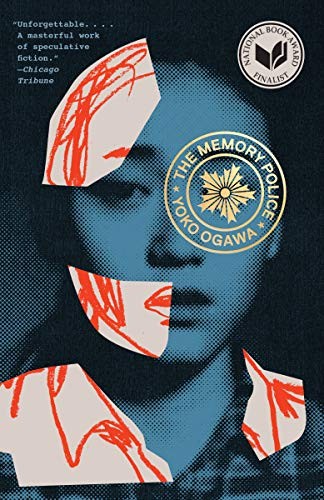
The Memory Police by Yoko Ogawa 1994
Objects vanish from an island and the citizens' memories of them vanish too, enforced by a secret police — Ogawa's version of memory-holing is dreamlike and mournful, with none of Orwell's political anger.
Control by comfort, not by the truncheon

Brave New World by Aldous Huxley 1932
The other great argument about how a state owns you, sharing Orwell's conviction that human nature can be engineered; here the citizens are kept docile by pleasure and conditioning, so nobody needs a telescreen.
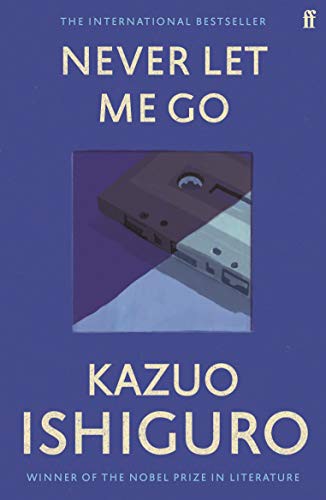
Never Let Me Go by Kazuo Ishiguro 2005
People raised to accept a monstrous arrangement and never quite rebelling — the horror of normalisation that Orwell puts in the Party's slogans; Ishiguro keeps the system offstage and lets the sadness do the work.
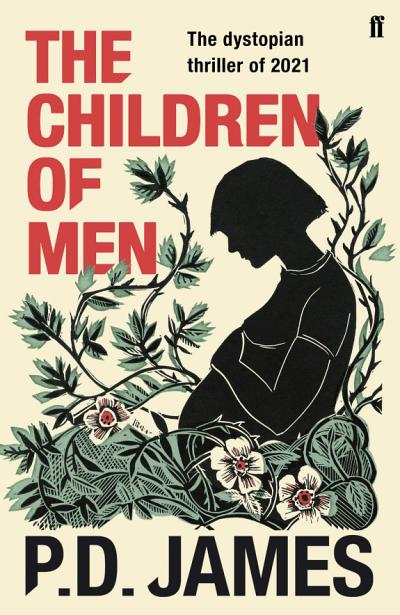
The Children of Men by P. D. James, 1992
An England sliding into soft dictatorship, complete with managed elections, state-run distractions and a small hopeless resistance cell; James's Britain is recognisably ours, decaying rather than rebuilt.
Words banned, books burned, language shrinking
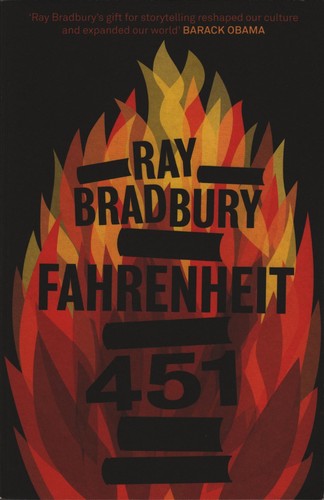
Fahrenheit 451 by Ray Bradbury 1953
A functionary of the regime begins to suspect his own job, exactly as Winston does at the Ministry of Truth; Bradbury blames the public's appetite for wall-screens as much as the government.

The Handmaid's Tale by Margaret Atwood 1985
A theocracy built quickly out of an existing society, where reading is a crime and the narrator hoards private language as her last freedom; Atwood's account is domestic and bodily, told from inside a household rather than a bedsit.
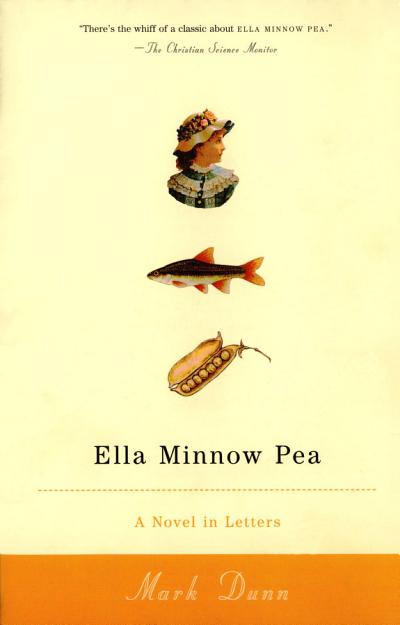
Ella Minnow Pea by Mark Dunn 2001
Letters of the alphabet are outlawed one by one and the island's speech contracts accordingly — Newspeak's principle taken to its logical end, played with wit and told in letters, so it is far lighter on its feet than Orwell.
If you also liked…
- The Secret History by Donna Tartt
- Yesteryear by Caro Claire Burke
- Fourth Wing by Rebecca Yarros
- A Court of Thorns and Roses by Sarah J. Maas
- Fifty Shades of Grey by E.l. James
Questions
- Which one is closest to 1984 if I want the same feeling?
- We for the surveillance state and the diary-keeping doubter, and Darkness at Noon for the interrogation half of the book. Between them they cover most of what Orwell was doing.
- Is Brave New World really as bleak as 1984?
- Bleak in a different key: nobody is tortured, everyone is content, and that is the point. Readers who find Room 101 unbearable usually cope with Huxley more easily.
- Are any of these easier going? 1984 was heavy work.
- Ella Minnow Pea is short, playful and takes the Newspeak idea somewhere funny, and The Memory Police is quiet and spare rather than relentless. Never Let Me Go reads gently but lands hard.