
11 books like The Alchemist
The Alchemist works because it's short, plainly told and built like a fable: a journey outward that turns out to be a journey inward. These picks keep at least one of those things — the spiritual quest, the fable's simplicity, or the argument about what a life is for — and some of them push back hard against Coelho's optimism, which is its own kind of pleasure.
Updated September 2026
We earn a commission if you buy through these links.
Spiritual quests where the journey is the teaching
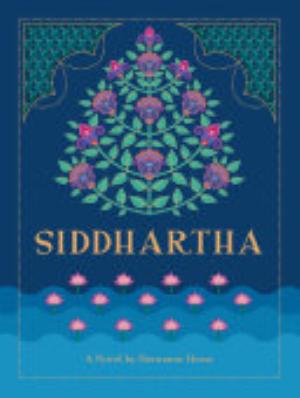
Siddhartha by Hermann Hesse 1922
The book readers reach for first after The Alchemist: a young man leaves home to find wisdom and discovers it can't be handed to him by a teacher; Hesse is cooler and more sceptical, and his hero has to fail properly before he learns anything.
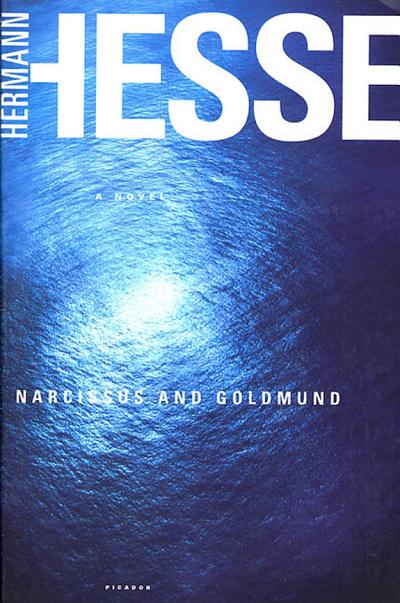
Narcissus and Goldmund by Hermann Hesse 1930
Also about following your own nature rather than the path laid out for you, but it sets the wanderer against the scholar and refuses to say which one got it right.
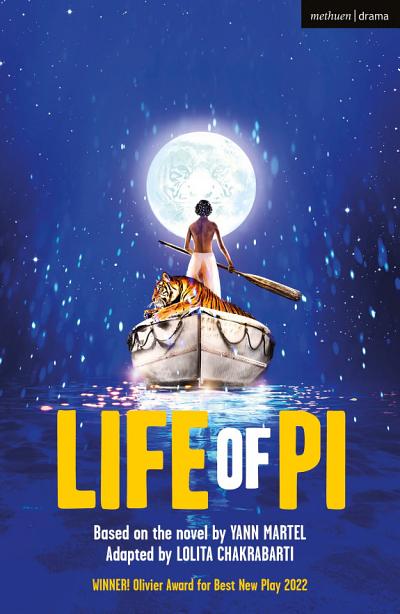
Life of Pi by Yann Martel 2001
A boy's journey that is openly about faith, signs and survival; the difference is that Martel ends by daring you to choose which version of the story you believe.
Way of the World by Nicolas Bouvier 1963
A real journey east taken slowly, with the same conviction that travel remakes the traveller — no omens or destiny here, just dust, breakdowns and extraordinary attention.
Short fables with a philosophy folded inside
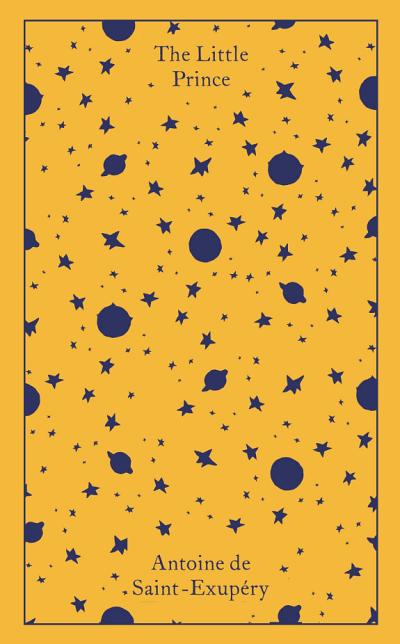
The Little Prince by Antoine de Saint-Exupéry 1943
Same trick of using a simple, almost childlike story to carry large statements about love and what matters; the tone is wistful rather than encouraging, and the ending genuinely hurts.
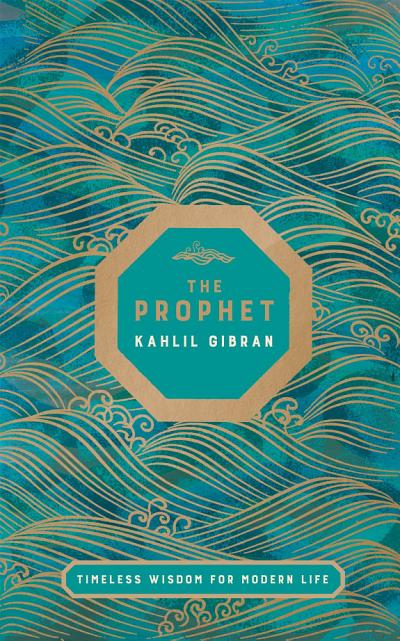
The Prophet by Kahlil Gibran 1923
The same aphoristic, quotable wisdom about work, love and children that readers copy out of The Alchemist, delivered as prose poetry with barely any story at all.
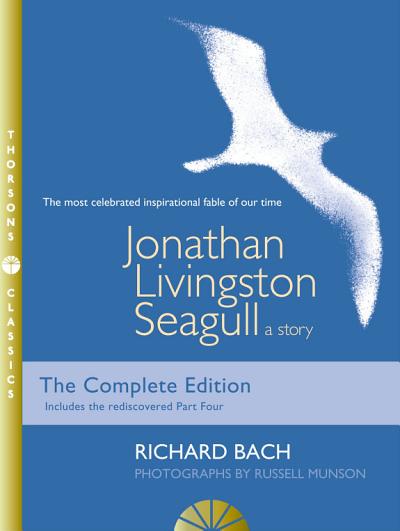
Jonathan Livingston Seagull: A story by Richard Bach 1970
The book The Alchemist is most often compared to — a parable about refusing an ordinary life — but Bach's subject is mastery and practice more than destiny.
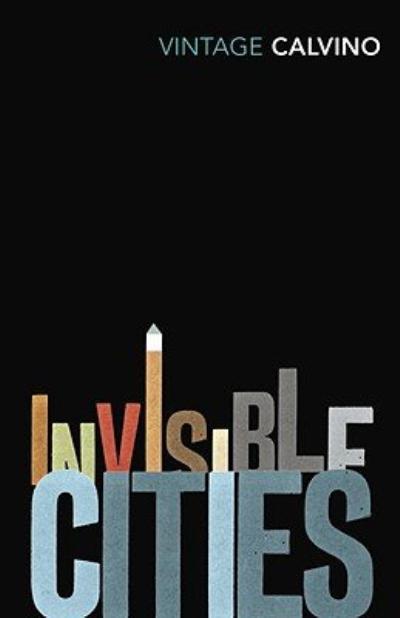
Invisible Cities by Italo Calvino 1972
Also a traveller's tale built from short, luminous fragments, but Calvino's cities are puzzles and mirrors instead of lessons, and he never tells you what to take away.
The other side of the argument: no destiny, no comfort
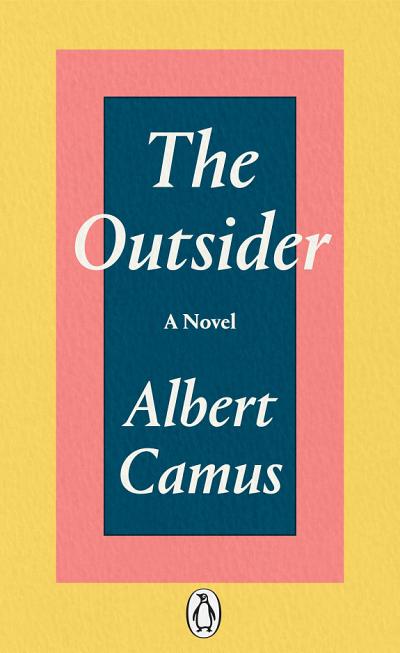
The Outsider by Albert Camus 1942
Read it directly after The Alchemist and it plays as the exact inverse: a spare, short novel in which the universe is indifferent and meaning is something you make, or don't.
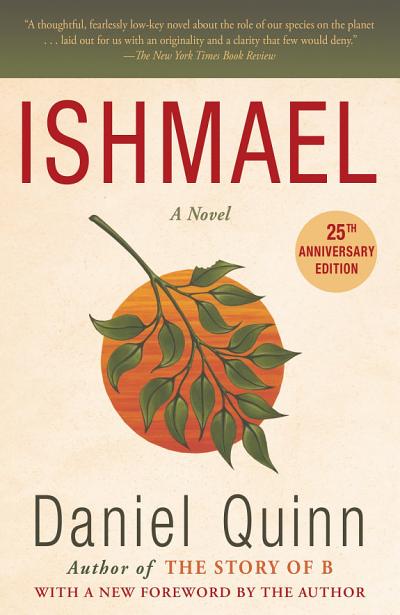
Ishmael by Daniel Quinn 1992
Another teacher-and-pupil dialogue that promises to explain how to live, except Quinn's answer is a blunt critique of civilisation rather than a blessing on personal dreams.
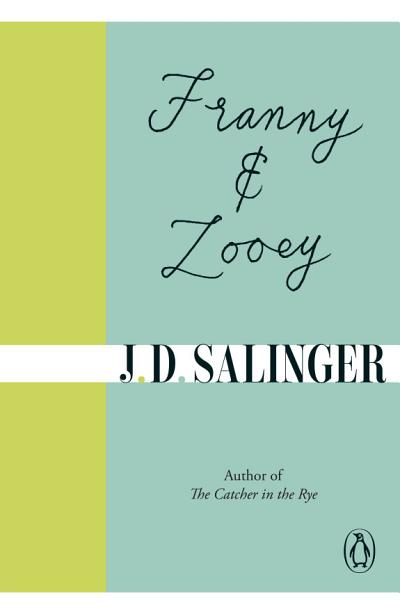
Franny and Zooey by J. D. Salinger 1961
A young person's spiritual crisis taken seriously, with prayer and vocation at its centre; Salinger keeps it all inside one bickering family flat and lets nobody off lightly.
If you also liked…
- A Thousand Splendid Suns by Khaled Hosseini
- The Secret History by Donna Tartt
- Yesteryear by Caro Claire Burke
- Fourth Wing by Rebecca Yarros
- A Court of Thorns and Roses by Sarah J. Maas
Questions
- Is anything here as quick and easy to read as The Alchemist?
- The Little Prince, Jonathan Livingston Seagull and The Prophet can all be read in a single sitting. Siddhartha and The Outsider are short too, though they ask a bit more of you.
- I want the same uplift, not a downer. Which should I avoid?
- Skip The Outsider for now — both are deliberately bleak. Jonathan Livingston Seagull, The Prophet and The Little Prince keep the encouraging tone.
- Which one is closest to The Alchemist in spirit?
- Siddhartha: a young man walks away from the life expected of him and learns that wisdom has to be lived, not told. It's the pick readers make for each other most often.