
11 books like Wuthering Heights
What makes Wuthering Heights so hard to shake isn't the romance but the ruin: a landscape that shapes the people in it, a love that behaves like a haunting, and a narrator you can't entirely trust. The books below pick up one or more of those threads — the houses that won't let go, the passions that destroy, the moors and heaths that do half the damage.
Updated September 2026
We earn a commission if you buy through these links.
Haunted houses and a dead woman's grip on the living

Rebecca by Daphne du Maurier 1938
Another great estate ruled by an absent woman and a husband with a locked-up past, delivered with the same bitter aftertaste; du Maurier gives you a timid narrator where Emily Brontë gives you Cathy.
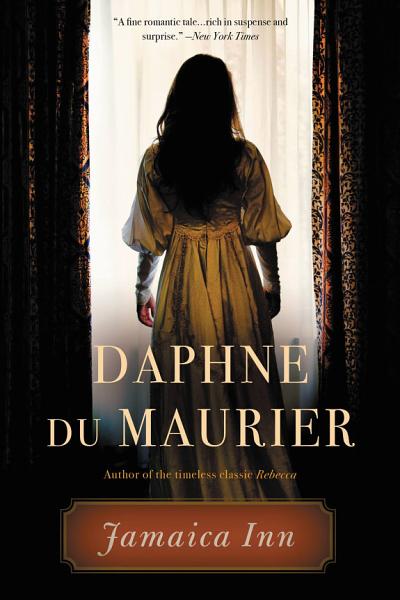
Jamaica Inn by Daphne du Maurier 1936
Bodmin Moor stands in for the Yorkshire moors, and the brutish men in the isolated house are every bit as frightening as Heathcliff; the plot runs on smuggling and menace rather than obsessive love.
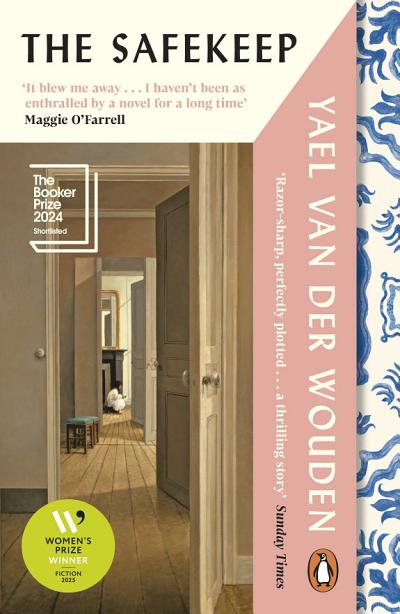
The Safekeep by Yael van der Wouden 2024
A solitary country house where desire, resentment and ownership tangle into something feverish, much as they do at the Heights; the setting is post-war Netherlands and the erotic charge is explicit.
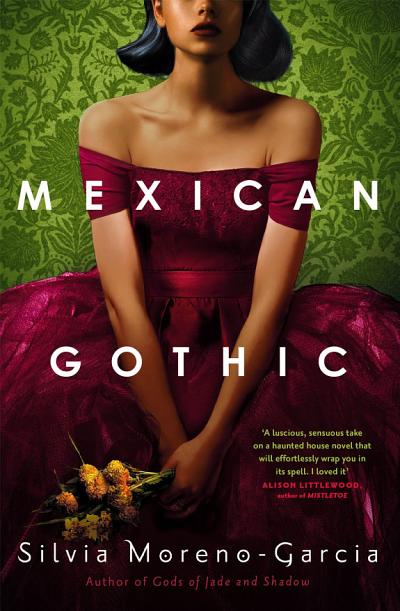
Mexican Gothic by Silvia Moreno-Garcia 2020
A remote, decaying family seat with a rotten secret and an atmosphere that closes over your head; this one tips properly into horror, which Brontë never quite does.
Love as destruction: obsession that wrecks everyone nearby
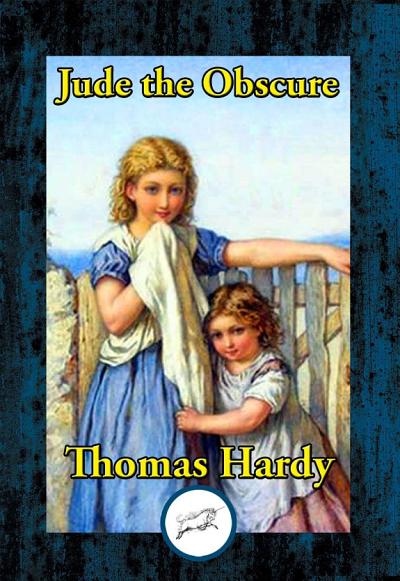
Jude the Obscure by Thomas Hardy 1895
Hardy shares Brontë's conviction that passion and social position cannot be reconciled without casualties, and he is even more unsparing about the cost; his cruelty is social where hers is elemental.
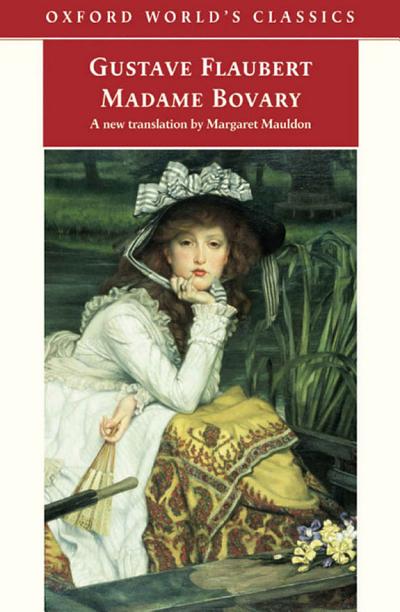
Madame Bovary by Gustave Flaubert 1857
A woman whose longing for another life corrodes everything around her, told without a shred of sentimentality; Flaubert is cool and forensic where Brontë is stormy.
The End of the Affair by Graham Greene 1951
Jealousy soured into something close to hatred, narrated by a man who can't stop picking at the wound, which will feel familiar after Heathcliff; the battleground here is faith, in wartime London.
The Sorrows of Young Werther by Johann Wolfgang von Goethe 1774
The original portrait of love as a consuming illness with no cure but disaster; it's a short epistolary novel, all interior, with none of Brontë's generational sweep.
Wild landscape as a character in the tragedy
The Return of the Native by Thomas Hardy 1878
Egdon Heath broods over its inhabitants exactly as the moors do, shaping who marries whom and who drowns; Hardy's doomed woman wants escape and glamour, not a soulmate.
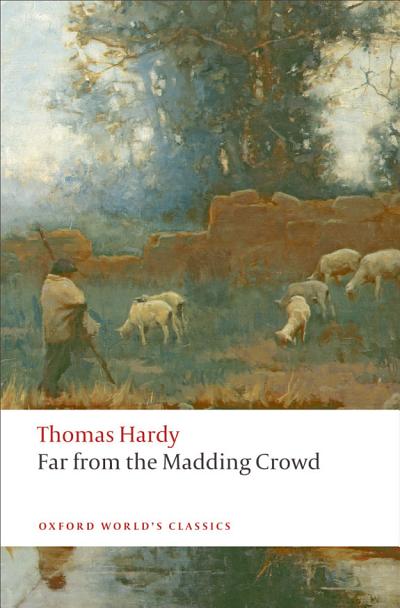
Far from the Madding Crowd by Thomas Hardy 1874
A headstrong woman, three men, and a working countryside that dictates every turn of fortune; the ending is far kinder than anything Brontë would allow.
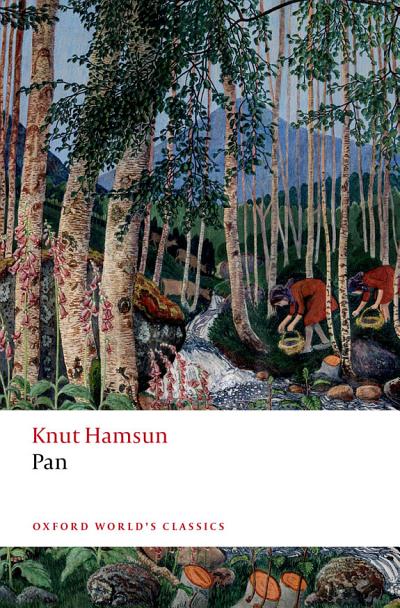
Pan by Knut Hamsun 1894
An unsociable man half-merged with the forest around him, wrecked by a love he can't handle — Heathcliff's temperament in a Norwegian summer; Hamsun writes in feverish fragments rather than a tight family chronicle.
If you also liked…
- Lord of the Flies by William Golding
- Fourth Wing by Rebecca Yarros
- A Court of Thorns and Roses by Sarah J. Maas
- Hunger Games by Suzanne Collins
- Percy Jackson by Rick Riordan
Questions
- Is anything here as bleak as Wuthering Heights?
- Jude the Obscure is bleaker, honestly — Hardy leaves you with nothing to hold. Madame Bovary is close behind, though its cruelty is colder and more precise.
- Which of these is the best next read if I want the atmosphere above all?
- Rebecca, for the house, or The Return of the Native, for the heath. Both put landscape and property at the centre of the tragedy in a way you'll recognise immediately.
- Should I read Jane Eyre if I preferred Emily to Charlotte?
- Yes, but go in knowing it's a different temperament: more moral argument, more forward momentum, a heroine with a spine and a reward at the end.